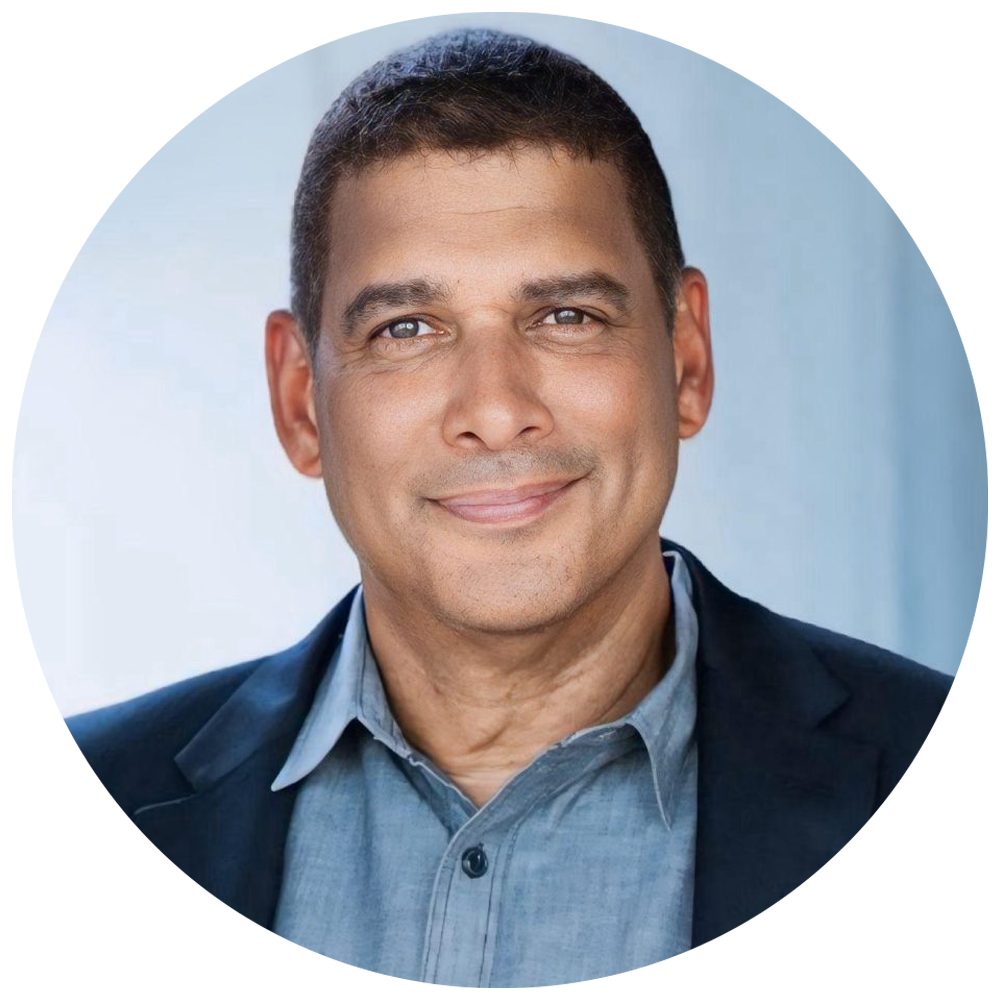
If you’re reading this, something is probably already telling you it’s time. Here’s what to look for — and what to do next. —Jack Perry Jr
Most leaders don’t wake up one morning and decide they need a coach. It creeps up on you. Your team stops bringing you problems. Your calendar is full and your results are thin. The job you fought hard for starts to feel like a uniform that doesn’t fit anymore.
So how do you know you’re ready for executive coaching? Here are the signs I look for in a first conversation, and what to do once you spot them.
What is Executive Coaching?
Executive coaching is a one-on-one working partnership aimed at the decisions you’re already making. A mentor gives you his answers. A good coach builds your judgment, so the next hard call gets easier even when nobody is in the room with you.
My framework is The Commander’s Edge™. It’s built on the Military Decision-Making Process, or MDMP, the same method Army commanders and their staffs use to plan under pressure. Understand the mission before you act on it. Build more than one way to get there. Test each option against the facts. Then decide, and brief it so your people can carry it out.
That discipline works in a boardroom the same way it works in a command post. Sharper decisions. A team that stops waiting on you. The hard conversation you’ve been putting off for three months. The process gives you a way to think it through before the clock runs out.
“You don’t have to be great to start, but you have to start to be great.” — Zig Ziglar
Key pillars of executive coaching include:
- Accountability for results
- Self-awareness growth
- Strategic thinking enhancement
- Communication skills sharpening
- Emotional intelligence development
Signs You’re Ready for Executive Coaching
Recognizing that you’re ready for executive coaching is the first milestone toward personal and professional evolution. One of the clearest indicators is a profound desire for growth—an internal drive to stretch beyond your current competencies and achieve more. Executives who actively seek self-awareness and embrace unbiased advice demonstrate a readiness to engage in transformational coaching experiences.
Another telltale sign is your willingness to embrace change. Change asks for real commitment and a flexible mind. Leaders who are open to revisiting entrenched habits, challenging assumptions, and stepping outside comfort zones are ideal candidates for coaching interventions. Moreover, a strong value placed on accountability—where leaders are eager to receive actionable feedback and set measurable, progressive milestones—further underlines coaching readiness.
Additionally, executives undergoing career transitions often benefit immensely from coaching support. Whether it’s stepping into a new role, managing a merger, or riding out a rough market, having a structured coaching framework provides the stability needed for effective change management. Thus, if you’re contemplating your leadership future and feeling both the excitement and anxiety of the next step, executive coaching could be your most strategic investment yet.
You Crave Professional Growth
If you feel an intense desire for growth, it’s a strong indicator you’re ready. Leaders driven by continuous improvement often seek executive coaching to accelerate their path.
You Acknowledge Gaps in Skills
High-performing leaders recognize areas for development, from communication coaching needs to enhancing emotional intelligence.
You’re Willing to Embrace Change
Coaching requires an openness to risk-taking, feedback, and shifting paradigms.
You Value Accountability
Top executives appreciate receiving actionable feedback and thrive under structures like setting progressive milestones.
You Seek Unbiased Perspectives
Seeking unbiased advice outside internal politics shows readiness to invest in true professional development.
The Executive Coaching Readiness Checklist
Before you sign with anyone, run yourself through some honest questions. Do you have clear goals for the next season of your leadership? Are you willing to work on how you read people and how you communicate? Can you hear hard feedback without reaching for a defense?
One piece people miss is support inside the organization. Coaching goes further when your boss or HR knows what you’re working on and backs it. A short compatibility call up front, plus good timing, makes the whole engagement pay off faster.
If you can say yes to most of the list below, you’re ready for executive coaching. The door is open.
- Strong desire for self-improvement
- Willingness to accept honest feedback
- Commitment to attend scheduled sessions
- Clear career goals or leadership aspirations
- Support from HR, L&D professionals, or coaching custodian
Benefits of Embracing Executive Coaching

So what do you actually get for the time and money? Here’s what I see most often.
Your decisions get faster, and they hold up when people push back. The hard conversation happens this week instead of next quarter. You stop being the bottleneck, because your people start solving problems without walking into your office first.
And there’s a quieter return. A lot of leaders find the reason they wanted the job in the first place. When you lead from that place, your team feels it. They try new things. They stay longer. They trust your call on the day it counts.
Higher Performance and Professional Excellence
In my experience, the payoff shows up where it counts: in the numbers, and in how your team runs when you’re not in the room.
Greater Personal Satisfaction
Leaders often experience a renewed sense of personal fulfillment through coaching-fueled achievements.
Enhanced Decision-Making
Through strategic thinking exercises, executives refine judgment, problem-solving, and adaptability.
Stronger Leadership Presence
Effective coaching enhances executive presence—building influence, credibility, and communication mastery.
Choosing the Right Coaching Framework
The framework matters more than most people think. Plenty of coaching feels good in the session and fades by Friday. You want a method that still works when the pressure is on.
That’s why I build on MDMP. When a problem lands on your desk, we work it the way a command staff would. What’s the real mission here? What do we know, and what are we assuming? What are two or three ways to get it done, and what does each one cost? Then you choose, and you own the call.
Every engagement starts with a compatibility call. We talk about what you’re facing, how you like to work, and whether I’m the right fit. If your boss, HR, or your team needs to be part of it, we plan that in from day one.
The result is a way of deciding you can use long after our work together ends.
Frequently Asked Questions (FAQs)
What is executive coaching?
It’s a one-on-one partnership built around the real decisions on your desk. The goal is sharper judgment, stronger communication, and a team that performs when you’re not in the room.
How do I know if I’m ready for executive coaching?
If you crave self-development, are open to feedback, and are facing a career change, you likely exhibit strong coaching readiness.
What’s the role of a coaching custodian?
A coaching custodian ensures coaching aligns with broader HR and organizational development goals, supporting the coachee throughout the engagement.
What happens during a compatibility call?
A compatibility call assesses the fit between the executive and coach, ensuring alignment on coaching frameworks, expectations, and outcomes.
Is executive coaching only for CEOs?
No, executive coaching benefits business professionals, team leads, HR professionals, and L&D professionals aiming to refine leadership skills.
What frameworks are commonly used?
I use The Commander’s Edge™, built on the Military Decision-Making Process (MDMP). It gives you a repeatable way to work any hard decision, from the first read of the problem to the final call.
How long does executive coaching typically last?
Most coaching engagements last between 6 to 12 months, depending on goal complexity, timing, and organizational support structures.
Key Takeaways
- Executive coaching builds self-awareness, leadership presence, and sharper decisions.
- Knowing you’re ready helps you get the most out of every session.
- A proven method like MDMP gives you a clear way to decide under pressure.
- Professional and personal transformation through coaching benefits individuals and organizations alike.
Conclusion
So, are you ready for executive coaching? If three or four of these signs hit close to home, you already know the answer. The next move is a conversation. Get clear on what you want to change, find a coach who has carried real weight, and start. Everything you want exists on the other side of fear. And if you haven’t died or passed out, you can always keep on fighting.
Ready to talk it through?
Book a complimentary 30-minute strategy call with Jack. No pitch — just clarity on whether coaching is the right next step.