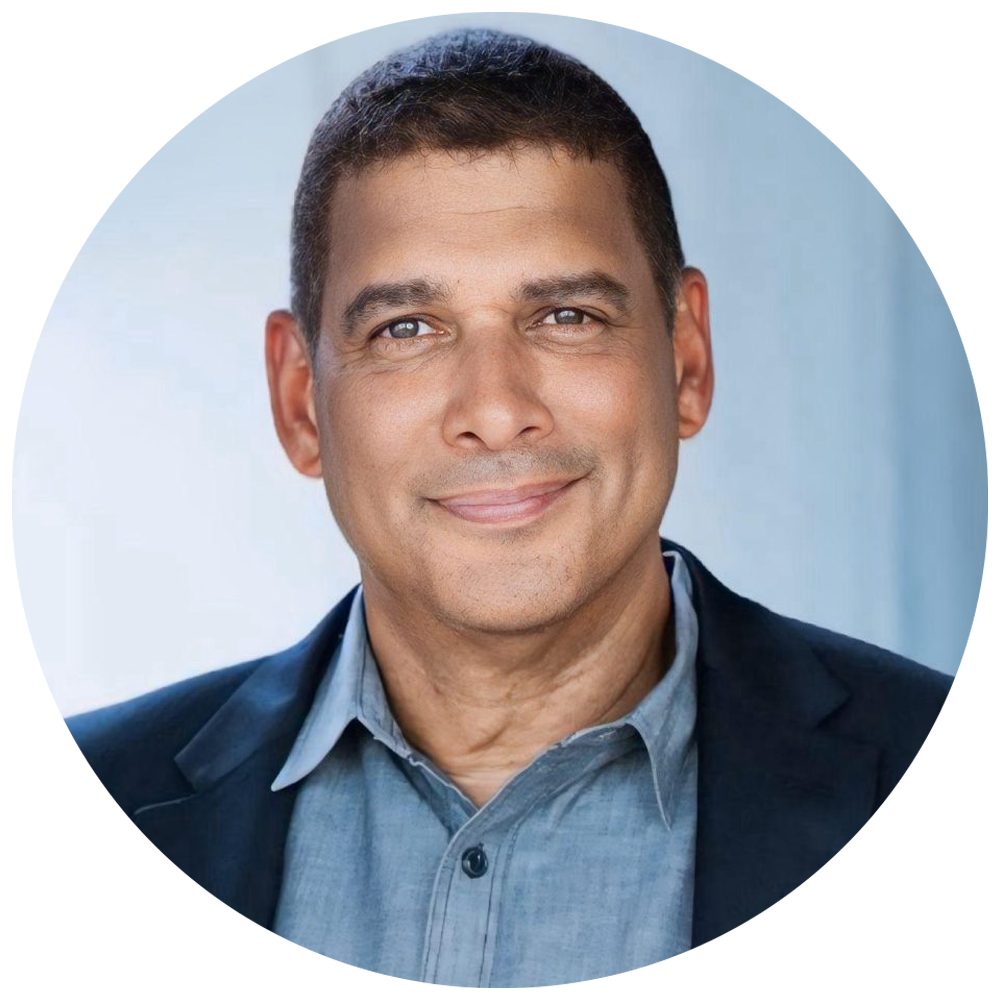
The wrong coach will waste your team’s time and money. The right one will rewire how they lead. Here’s how to tell the difference before you sign. —Jack Perry Jr
Picking an executive coach is one of the few hires where nobody checks the work first.
You’d never bring on a CFO off a warm referral and a pleasant lunch. But leadership teams do exactly that with coaching all the time. Then they sit there eleven weeks later wondering why the hour feels good, and nothing has moved.
C-suite pressure is real. You’re carrying the vision, the uncertainty, and a team watching how you handle both. The right coach shortens that stretch. The wrong one costs you two quarters and a budget line you have to go defend.
Here’s how to tell them apart before you sign.
Understanding Executive Coaching
Executive coaching works on how you lead when the stakes are real. Decisions with the clock running. Hard conversations you’ve been putting off. The gap between what your team heard and what you actually meant.
Unlike general personal development coaching, which covers broad life goals, this work stays pointed at the business. Your role, your people, your calls.
Common Leadership Challenges Executive Coaching Solves
Executive coaching addresses a broad spectrum of leadership challenges that even the most seasoned executives face. Burnout is a pervasive issue, as leaders are often stretched thin between operational demands and strategic initiatives. A skilled executive coach acts as a “business therapist,” equipping executives with emotional resilience tools to manage stress and maintain peak performance. Additionally, during scaling phases, many leaders struggle with letting go of day-to-day tasks or adjusting to leading larger, more complex teams. Coaches introduce scaling frameworks that help leaders transition smoothly into broader roles. Difficult conversations with stakeholders, from board members to underperforming team members, also represent major hurdles. Executive coaching strengthens communication strategies and fosters accountability, ensuring that leaders approach these conversations with confidence and empathy. Moreover, aligning organizational culture—especially during growth or restructuring—is another critical area where coaching shines, enabling leaders to embed core values and strengthen employee engagement at every level.
Burnout and Emotional Resilience
Executives often experience burnout, leading to decision fatigue. A Business Therapy Coach specializes in emotional resilience techniques to maintain performance under pressure.
Scaling and Strategic Challenges
Scaling a company introduces new strategic challenges. A Structured Startup Coach uses frameworks like the Leadership Triangle to guide growth.
Accountability and Difficult Conversations
From board management to difficult team conversations, leadership coaching for executives builds the confidence to handle high-stakes situations.
Organizational Culture Alignment
Executive Coaching addresses organizational culture alignment, helping leaders instill shared values as companies expand.
Types of Executive Coaches: Which One Does Your Team Need?
The right type of coach matters more than most leaders expect. Different leadership needs call for different coaching approaches. A Business Therapy Coach is ideal for executives who are grappling with emotional fatigue, leadership identity crises, or internal blockers. They focus heavily on emotional intelligence and resilience building. In contrast, a Former Operator Executive Coach—someone who has previously led a business themselves—brings a practical, action-oriented perspective. These coaches are particularly valuable for executives navigating high-growth environments, as they deeply understand the pain points of scaling companies. For rapidly changing environments like startups, a Structured and Flexible Startup Coach offers the dual advantage of adaptable strategies and proven startup-specific coaching tools. These coaches balance rigid frameworks with the flexibility needed to pivot strategies quickly. By carefully matching the coach’s experience and style with your team’s challenges, you dramatically increase the chances of a successful coaching outcome.
Business Therapy Coach
Ideal if emotional resilience and internal leadership battles are top priorities.
Former Operator Executive Coach
Best suited for scaling startups. These coaches have firsthand leadership experience and understand growth pains intimately.
Structured and Flexible Startup Coach
When your environment demands rapid pivots, a coach experienced with startup-specific coaching tools will offer flexibility and pragmatism.
Key Factors When Choosing an Executive Coach

Selecting an executive coach should be approached with strategic diligence. One proven framework for evaluation is the 5 C’s of Choosing an Executive Coach. First, seek clarity: the coach should articulate a clear methodology and measurable outcomes for the engagement. Next, assess congruence: the coach’s personal and professional values must align with those of your organization to ensure trust and cultural fit. Credibility is non-negotiable—look for certifications such as from ICF (International Coaching Federation) and request references or testimonials from past clients. Capability involves confirming whether the coach has experience in handling challenges similar to yours, such as managing board dynamics or scaling startups. Lastly, cost must be evaluated not merely based on price, but on the expected return on investment in leadership development. Additionally, conducting a preliminary Chemistry Session can reveal how well the coach builds rapport, listens, and customizes their approach. The right chemistry often predicts a coaching relationship’s success more than credentials alone.
Use the 5 C’s of Choosing an Executive Coach
Clarity: Is the coach clear about their process?
Congruence: Are their values aligned with yours?
Credibility: Check certifications like ICF and client testimonials.
Capability: Can they handle your specific leadership challenges?
Cost: Is their pricing structure sustainable for your organization?
Chemistry Matters
Book a Chemistry Session. Rapport building and listening skills are critical soft skills your coach must exhibit.
How to Check a Coach Before You Sign
Most people hire a coach on a referral and a good conversation. You can do better than that in about ten minutes.
Start with the credential. The International Coaching Federation keeps a public registry, and it’s free to search. Type the name in. If somebody claims ICF certification and doesn’t come up, you have your answer early and cheap. ACC, PCC, and MCC are the three levels. They’re earned through logged coaching hours and a recorded exam, not a weekend course and a certificate printed at home.
Then ask for hours. Not years in business. Hours coaching actual human beings. A coach at 500 hours and a coach at 2,500 hours will run your engagement differently, and either one might be right for you. You just need to know which one you’re buying.
Ask who they’ve worked with at your level. Somebody who spent a career with middle managers tends to go careful with a CEO. Careful gets expensive when you’re paying for directness.
Then ask the question almost nobody asks. What happens when this isn’t working? A real coach already has the answer ready — a check-in point, a way to say it out loud, and a clean exit. A coach who never considered the question has never had a client tell them the truth.
One more. Ask what they’d refuse to coach. Anybody who can help with everything is selling you something.
Proven Techniques and Frameworks Used by Top Coaches
Executive coaching has demonstrably benefited numerous renowned leaders, validating its effectiveness.
360 Feedback
360-degree assessments offer honest feedback from peers, subordinates, and supervisors.
Developmental Leadership Plan
A tailored developmental plan outlines measurable leadership goals and action steps.
Pattern Matching
Top coaches help executives spot behavioral patterns hindering progress — developing self-awareness and better pattern recognition.
Coaching Engagement Models
Flexible coaching models support different learning styles, whether reactive or proactive.
Frequently Asked Questions (FAQs)
What is Executive Coaching?
Executive Coaching focuses on leadership development, emotional resilience, and strategic goal alignment tailored to C-level professionals.
How is executive coaching different from personal coaching?
Executive coaching targets business leadership challenges, while personal coaching addresses broader life goals.
What should I look for in an executive coach?
Focus on industry-specific experience, strong references, coaching certifications (like ICF), and chemistry fit.
How much does executive coaching cost?
Fees vary widely. Budget considerations depend on coaching frequency, engagement models, and the coach’s expertise.
How long does executive coaching take to show results?
Meaningful changes typically emerge after 3-6 months of consistent coaching, depending on goals and leadership gaps.
Executive Coaching focuses on leadership development, emotional resilience, and strategic goal alignment tailored to C-level professionals.
Key Takeaways
Executive Coaching accelerates leadership growth and organizational success.
Matching your needs with the right coach style (Business Therapy, Former Operator, Structured Startup) is what makes it work.
Techniques like 360 Feedback and Development Plans support transformation.
Evaluate coaches using the 5 Cs: clarity, congruence, credibility, capability, and cost.
Conclusion
Choosing the right executive coach is one of the highest-return decisions your leadership team will make. Match the coaching expertise to your culture and your actual leadership gaps, and the results hold long after the engagement ends.
Ready to talk it through?
Book a complimentary 30-minute strategy call with Jack. No pitch — just clarity on whether coaching is the right next step.