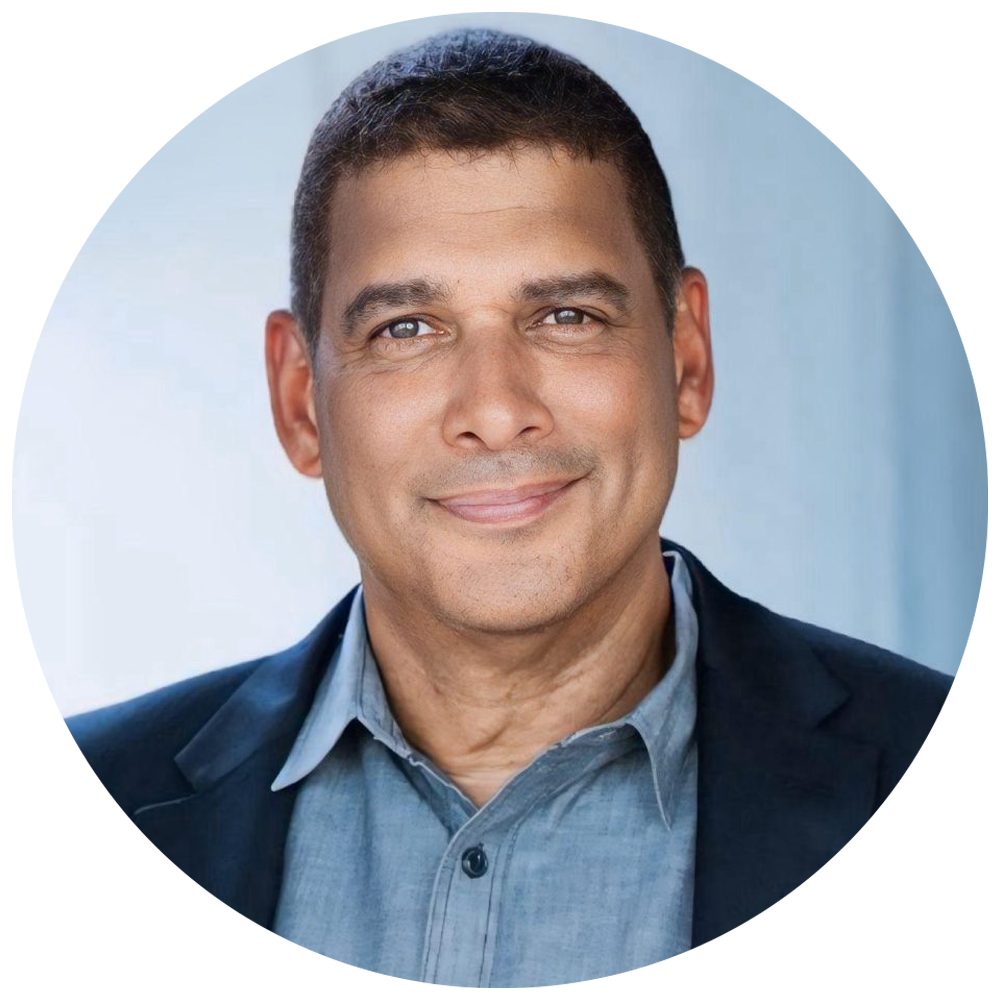
Emotional intelligence isn’t the soft skill people pretend it is. It’s the difference between leaders who get followed and leaders who get tolerated. Here’s why. —Jack Perry Jr
In the dynamic landscape of executive coaching, emotional intelligence (EI) is no longer just advantageous—it’s essential. For C-level executives seeking to enhance their leadership effectiveness, emotional intelligence underpins successful decision-making, team dynamics, and strategic influence. This comprehensive guide highlights why integrating emotional intelligence within executive coaching is crucial and explores strategies to develop this must-have skill.What is Emotional Intelligence in Executive Coaching?
Emotional intelligence in executive coaching refers to leaders’ ability to recognize, understand, and manage their emotions effectively, and to positively influence others’ emotions. Executive coaching programs increasingly prioritize EI to enhance leadership influence, improve team interactions, and foster a resilient corporate culture.The Importance of EI in Coaching
- Promotes authentic communication.
- Enhances executive resilience and adaptability.
- Strengthens organizational impact and collaboration.
Why Emotional Intelligence Matters for Leaders
High emotional intelligence directly correlates with better leadership outcomes, significantly benefiting executives and their organizations.Enhanced Leadership Influence
- Improved empathy leads to stronger team relationships.
- Effective emotional regulation improves decision-making clarity.
Improved Organizational Dynamics
- Higher EI among executives boosts employee engagement.
- Cultivates an emotionally resilient organizational culture.
Core Components of Emotional Intelligence
Emotional intelligence encompasses critical competencies necessary for leadership excellence.Self-Awareness
- Understanding personal emotional triggers and blind spots.
Relationship Management
- Developing empathy, authenticity, and social influence.
Emotional Regulation
- Practicing mindfulness and stress management techniques.
What Emotional Intelligence Actually Buys You
Emotional intelligence has a public relations problem. People hear the phrase and picture a manager being nicer to everybody. That’s not what this is.
Here is what it buys, roughly in the order leaders notice it.
1. Decisions people follow
Same decision, half the resistance. A leader who reads a room makes calls that stick, because he already knows who’s on board and who is quietly not.
2. A team that bends instead of breaking
Pressure is coming. It always is. Some teams absorb it. Others transmit it straight downhill, and six months later you’re wondering why your best people are updating their resumes.
3. Conflict that ends
Most workplace conflict never gets resolved. It gets buried and rescheduled. Reading what sits underneath the argument is the only thing I’ve watched actually finish one.
4. People who stay
Nobody quits a company. They quit a manager who made Monday morning feel heavy.
5. Trust
It’s the compounding asset in leadership. Built in small moments, spent in big ones. Leaders who never make deposits find the account empty on the day they need a withdrawal.
How It Gets Built
Self-awareness comes first. You can’t manage what you can’t see.
Then regulation, which is just the ability to stay useful when your pulse is up.
Then reading other people accurately, which is harder than it sounds and happens to be where confident leaders are usually worst.
Then using all three at the exact moment it counts. Nobody masters that part. You just get less bad at it.
This is a trained skill. Not a personality type, not something you were born with or without. I watched a fifty-five-year-old executive rebuild it from scratch after thirty years of doing it the other way. Took him about nine months. Worth every session.
Programs and Frameworks Enhancing EI
Executive coaching frameworks such as Harvard’s Credential of Leadership, Impact, and Management in Business (CLIMB) and the Accelerated Leadership Program (ALP) are designed to enhance emotional intelligence among leaders.
Comparison Table
| Program/Tool | Best For | Key Focus | Delivery |
|---|---|---|---|
| Harvard CLIMB | Senior Executives | Strategic EI Development | Modular, Online Courses |
| Accelerated Leadership Program (ALP) | Emerging Leaders | EI and Leadership Skills | Workshops, Coaching |
| TalentSmart EQ Assessments | Functional Specialists | EI Measurement | Assessments, Feedback |
Techniques to Improve Emotional Intelligence
Developing emotional intelligence is achievable through targeted strategies:Step-by-Step EI Improvement
- Assess Your EI Baseline: Utilize self-assessment tools to identify EI strengths and areas for growth.
- Enroll in EI-focused Programs: Programs like Harvard’s CLIMB provide structured EI education.
- Practice EI Techniques Regularly: Implement mindfulness meditation, journaling, and real-time feedback loops.
- Measure and Refine: Use ongoing feedback mechanisms to track progress.

Frequently Asked Questions (FAQs)
What is emotional intelligence in executive coaching?
Emotional intelligence in executive coaching involves managing personal emotions and influencing others effectively, which is crucial for leadership success.Why is emotional intelligence critical for executive leadership?
It enhances empathy, improves decision-making clarity, and fosters better organizational and team dynamics.What are effective emotional regulation techniques?
Techniques include mindfulness meditation, daily journaling, and behavioral interruption practices.How can executive coaching enhance emotional intelligence?
Executive coaching uses structured programs, feedback mechanisms, and personalized coaching plans to develop EI systematically.What frameworks best develop EI in executives?
Programs such as Harvard’s CLIMB and ALP offer comprehensive EI development specifically tailored for executive leaders.Key Takeaways
- Emotional intelligence significantly enhances executive effectiveness.
- EI-focused programs and techniques provide structured paths to improvement.
- Leaders who prioritize EI foster better organizational culture and team dynamics.
Conclusion
Emotional intelligence is a cornerstone of effective executive coaching, essential for today’s leaders. By prioritizing EI, executives significantly enhance their leadership capabilities, benefiting their teams and organizations profoundly.Want to talk about this with Jack?
Book a complimentary 30-minute strategy call. No pitch — just clarity on whether coaching is the right next step.