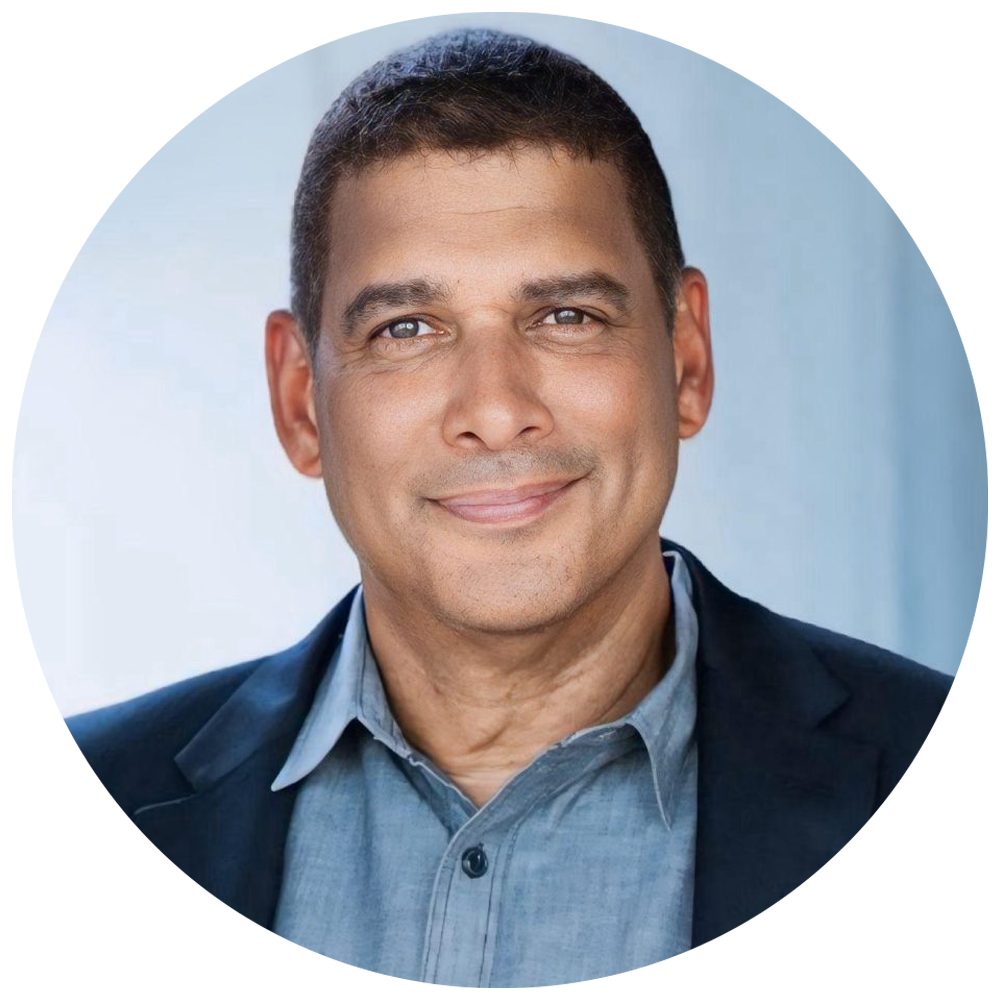
“Reclaim your purpose” sounds like a Hallmark card. What it actually looks like is harder — and more honest. —Jack Perry Jr
In today’s fast-paced corporate world, even the most accomplished C-level executives can find themselves questioning their direction and purpose. The pressures of leadership, coupled with personal challenges, often lead to a sense of overwhelm and disconnection. Life coaching offers a transformative journey, guiding leaders to realign with their core values, reignite their passion, and navigate both personal and professional landscapes with renewed clarity.Understanding Life Coaching
Life coaching is a collaborative partnership between a coach and a client, focusing on personal and professional growth. Unlike therapy, which delves into past traumas, life coaching is future-oriented, aiming to unlock a person’s potential and maximize their performance. For executives, this means gaining insights into their leadership styles, decision-making processes, and personal values to lead more authentically and effectively.What is Life Coaching?
Life coaching is a collaborative process where a trained professional helps individuals identify goals, overcome obstacles, and make meaningful changes in their lives. Unlike therapy, which often focuses on past experiences, life coaching is future-oriented, emphasizing actionable strategies to achieve desired outcomes.Life Coaching vs. Executive Coaching
While both aim to improve personal and professional development, life coaching addresses broader life aspects, including personal fulfillment and work-life balance. Executive coaching, on the other hand, focuses more narrowly on enhancing leadership skills and organizational performance.Benefits for C-Level Executives
The Unique Challenges Faced by Executives C-level executives often grapple with a unique set of challengesEnhanced Self-Awareness
Life coaching encourages introspection, helping executives understand their values, strengths, and areas for growth. This self-awareness is crucial for authentic leadership.Improved Decision-Making
By clarifying goals and values, executives can make decisions that align with their personal and organizational objectives, leading to more consistent and effective leadership.Work-Life Balance
Life coaches assist in setting boundaries and prioritizing tasks, enabling executives to achieve a healthier balance between professional responsibilities and personal life.Stress Reduction
Through techniques like mindfulness and cognitive reframing, life coaching helps reduce stress and prevent burnout, enhancing overall well-being.Core Techniques in Life Coaching
SMART Goals
Setting Specific, Measurable, Achievable, Relevant, and Time-bound goals provides a clear roadmap for success.Visualization
Imagining successful outcomes can increase motivation and confidence, making goals feel more attainable.Mindfulness Practices
Techniques such as meditation and deep breathing help executives stay present, reduce anxiety, and improve focus.Cognitive Reframing
This involves changing negative thought patterns to more positive ones, fostering resilience and adaptability.Integrating Life Coaching into Organizational Culture
Organizations that prioritize leadership development often integrate life coaching into their culture. This integration can lead to:- Enhanced Team Performance: Coached leaders often foster more cohesive and productive teams.
- Increased Employee Engagement: Authentic leadership can boost morale and reduce turnover.
- Adaptability: Coaching equips leaders to navigate change effectively, ensuring organizational resilience.

Frequently Asked Questions (FAQs)
What is the difference between life coaching and executive coaching?
While both focus on personal development, life coaching addresses broader life goals, whereas executive coaching zeroes in on professional performance and leadership skills.How long does a typical coaching engagement last?
Coaching engagements vary but often span 3 to 12 months, with regular sessions tailored to the client’s goals.Is life coaching confidential?
Yes, reputable coaches adhere to strict confidentiality agreements, ensuring a safe space for open dialogue.Can coaching be done virtually?
Absolutely. Many coaches offer virtual sessions, providing flexibility for busy executives.How do I measure the success of coaching?
Success can be gauged through goal attainment, improved self-awareness, enhanced leadership effectiveness, and feedback from peers and stakeholders.Key Takeaways
- Life coaching empowers executives to rediscover their purpose and align their personal and professional lives.
- Techniques like mindfulness, SMART goals, and cognitive reframing are instrumental in this transformative journey.
- Selecting the right coach is crucial; consider credentials, experience, and approach.
- Integrating coaching into organizational culture can lead to enhanced performance and adaptability.
Conclusion
In the dynamic landscape of executive leadership, maintaining clarity and purpose is paramount. Life coaching offers a structured, supportive pathway for leaders to navigate challenges, rediscover their passion, and lead with authenticity. By investing in personal growth through coaching, executives not only enhance their own lives but also drive meaningful change within their organizations.Want to talk about this with Jack?
Book a complimentary 30-minute strategy call. No pitch — just clarity on whether coaching is the right next step.