I’ve coached executives in boardrooms in three time zones and over video from a kitchen table. The medium matters less than you’d think. Here’s what actually moves the needle. —Jack Perry Jr
Executive coaching empowers CEOs, CFOs, and CTOs to elevate their leadership capabilities, decision-making skills, and personal growth. But with the surge in virtual communication, many executives wonder if online executive coaching can truly match traditional face-to-face coaching effectiveness. In this article, we explore the distinct advantages and challenges of both coaching formats, backed by recent studies and real-world examples. We’ll also discuss emerging hybrid models that blend online convenience with in-person engagement, providing a comprehensive view to help executives choose the best approach for their personal and professional development.Understanding Executive Coaching
Executive coaching is a transformative developmental process designed to enhance leadership effectiveness, strategic thinking, resilience, and personal fulfillment among high-performing professionals. While leadership coaching for executives often focuses on business outcomes such as team performance, innovation, and organizational growth, executive coaching goes a step further. It addresses the executive as a whole person, integrating professional goals with personal values, emotional intelligence, and well-being. Executive coaching frameworks such as the GROW model and transformative leadership methodologies emphasize identifying blind spots, developing new behaviors, and building sustainable habits. C-level leaders like CEOs, CFOs, and CTOs particularly benefit from executive coaching because they operate in complex, high-stakes environments that demand clear thinking, emotional resilience, and the ability to inspire others. By working one-on-one with an executive coach, leaders uncover hidden strengths, develop authentic leadership styles, and build the mental agility required to navigate today’s unpredictable markets.Online Executive Coaching: Flexibility Meets Effectiveness
The rise of online executive coaching has revolutionized how leadership development is delivered. Virtual coaching sessions leverage technologies like Zoom, Microsoft Teams, and Google Meet, offering busy executives unparalleled flexibility without the constraints of geography. Scheduling becomes easier through tools like Calendly and Acuity, enabling leaders to book sessions that fit seamlessly into their demanding routines. Online executive coaching brings several compelling advantages. It allows global access to specialized coaches who might otherwise be unavailable locally, opening opportunities for executives to work with coaches aligned precisely with their industry or leadership style. Cost savings are another notable benefit, as virtual sessions eliminate the expenses associated with travel, lodging, and venue rentals. Moreover, post-pandemic sensibilities have increased the value executives place on safety, health, and the comfort of participating in coaching sessions from familiar environments. Virtual leadership coaching also enhances flexibility in learning styles. Visual learners, for instance, greatly benefit from screen-sharing features, virtual whiteboards, and multimedia resources, which can often make online sessions more dynamic than traditional face-to-face interactions. However, online coaching demands a reliable internet connection and an environment free from distractions to be fully effective.Why Executives Choose Online Coaching
- Global accessibility to specialized coaches
- Time savings and scheduling convenience (Calendly, Acuity)
- Cost-effectiveness: reduced travel and venue expenses
- Safety and comfort (post-pandemic mindset)
Tools and Technologies for Effective Online Coaching
In-Person Executive Coaching: Maximizing Human Connection
Despite the convenience of virtual platforms, in-person executive coaching continues to offer unique advantages that are difficult to replicate digitally. Physical presence fosters a rich communication environment where body language, facial expressions, posture, and subtle social cues play a crucial role in building trust and rapport. This nuanced, often subconscious communication strengthens the coaching relationship, allowing for deeper emotional connection and greater vulnerability—essential elements for transformative growth. In-person coaching sessions also allow for hands-on activities, role-playing, immediate feedback, and immersive exercises that kinesthetic learners especially appreciate. Executive development programs often include live seminars, team workshops, or leadership retreats, offering executives an opportunity to step away from daily operations and fully focus on personal growth and strategic planning. Additionally, physical coaching sessions can lead to unexpected networking opportunities. Being present in professional spaces fosters spontaneous conversations with other leaders and provides additional layers of mentorship, influence, and professional collaboration. For executives who value face-to-face human energy and organic interaction, in-person coaching remains a powerful and irreplaceable format.Psychological & Communication Factors
Case Study Highlight
Unique Benefits of Face-to-Face Sessions
- Rich nonverbal communication (body language, facial expression, gestures)
- Hands-on exercises and immediate feedback
- Enhanced rapport and trust-building
- Networking and relationship-building opportunities
The Rise of Hybrid Coaching Models
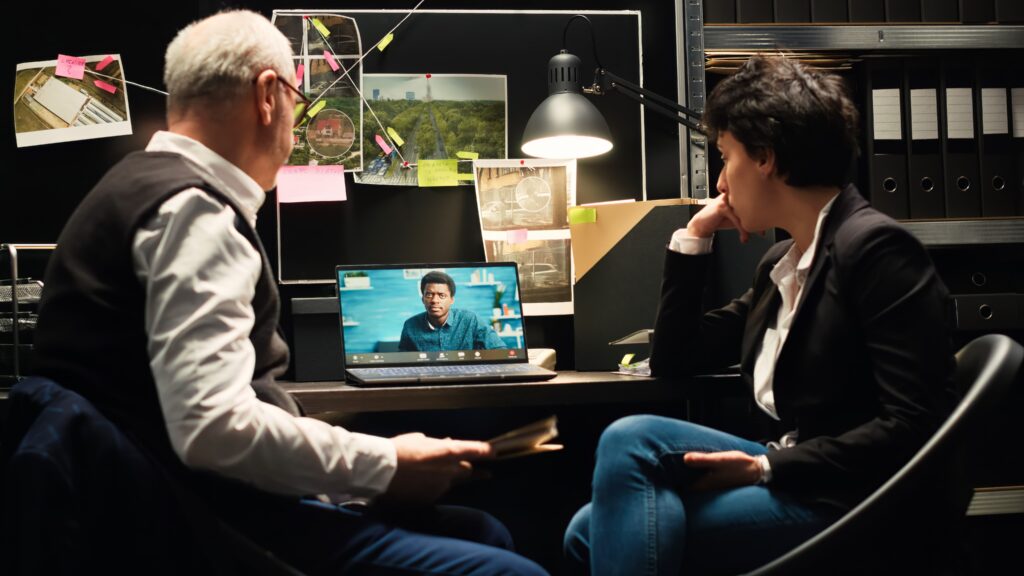 Recognizing the respective strengths of both online and in-person modalities, a new trend is reshaping the executive coaching landscape: hybrid coaching models. These programs intentionally combine virtual and face-to-face interactions, offering a best-of-both-worlds approach that adapts to individual executive needs.
Typically, hybrid coaching engagements begin with intensive, in-person sessions to establish trust, set foundational goals, and assess leadership styles. Subsequent sessions may transition to virtual formats, enabling ongoing development, progress tracking, and skill refinement without the logistical challenges of constant travel. Periodic face-to-face sessions may be scheduled quarterly or bi-annually to recalibrate goals, engage in hands-on leadership activities, or refresh the coaching relationship.
The hybrid model is particularly effective for executives managing international teams, frequent travel schedules, or high-demand industries like technology and finance. According to recent coaching market research, hybrid coaching demand has surged by nearly 70% as organizations seek flexible, resilient leadership development options that are scalable across geographies. For many executives, hybrid coaching delivers the perfect balance between deep human connection and the logistical advantages of digital platforms.
Recognizing the respective strengths of both online and in-person modalities, a new trend is reshaping the executive coaching landscape: hybrid coaching models. These programs intentionally combine virtual and face-to-face interactions, offering a best-of-both-worlds approach that adapts to individual executive needs.
Typically, hybrid coaching engagements begin with intensive, in-person sessions to establish trust, set foundational goals, and assess leadership styles. Subsequent sessions may transition to virtual formats, enabling ongoing development, progress tracking, and skill refinement without the logistical challenges of constant travel. Periodic face-to-face sessions may be scheduled quarterly or bi-annually to recalibrate goals, engage in hands-on leadership activities, or refresh the coaching relationship.
The hybrid model is particularly effective for executives managing international teams, frequent travel schedules, or high-demand industries like technology and finance. According to recent coaching market research, hybrid coaching demand has surged by nearly 70% as organizations seek flexible, resilient leadership development options that are scalable across geographies. For many executives, hybrid coaching delivers the perfect balance between deep human connection and the logistical advantages of digital platforms.Best of Both Worlds: Hybrid Executive Coaching
Industry Insights
Key Challenges and Solutions for Online vs. In-Person Coaching
Executive coaching has demonstrably benefited numerous renowned leaders, validating its effectiveness.Challenges for Online Executive Coaching:
- Technological barriers (internet disruptions, software glitches)
- Privacy/security concerns (suggest solutions like VPNs, secure platforms)
- Maintaining engagement and attention
Challenges for In-Person Coaching:
- Geographical limitations, higher costs, scheduling complexity
- Solutions: Strategic scheduling, regional coaching hubs
When Did Online Stop Being the Discount Option?
Ten years ago, virtual coaching was what you settled for. You took it if the coach you wanted happened to live in another city.
That’s over.
Work moved first. Hybrid teams stopped being an experiment somewhere around 2021. If you’re running people across four time zones, you need somebody who understands that room and can meet you inside it.
Then the tools caught up. Session notes. Assessments between meetings. Progress you can actually see, and now AI sitting in on the prep work. Most of the growth in coaching never happens during the hour anyway. It happens in the six days after, and that’s the part that got stronger.
And the arithmetic changed. No flights. No half-day burned in traffic for a ninety-minute conversation. An executive who could barely commit to one in-person session a month will commit to two online without blinking. Consistency wins.
Virtual or In Person? Wrong Question.
People ask me which one is better.
The right question is what this season of your life requires.
Virtual is the answer when you travel, when your week reshuffles every Monday, when you want to meet more often, or when you want privacy. Nobody in your office watches you walk into a session that happens behind your own closed door.
In person earns its cost when the work gets heavy. Identity. Grief. Walking away from a career you spent twenty years building. Some conversations need a door that closes and a person in the chair across from you.
Most of my clients land on both. Monthly online, once a quarter face-to-face. That isn’t splitting the difference. That’s a design.
Frequently Asked Questions (FAQs)
What is executive coaching?
Executive coaching is a personalized development process helping executives enhance leadership skills, emotional intelligence, and strategic thinking through one-on-one sessions.Is online executive coaching effective?
Yes, online executive coaching can be highly effective, offering flexibility, global accessibility, and convenience, though it requires reliable technology and strong engagement techniques.How does online coaching differ from in-person coaching?
Online coaching offers convenience, flexibility, and accessibility, whereas in-person coaching provides richer nonverbal communication, deeper rapport, and hands-on interactions.Can hybrid coaching improve executive outcomes?
Yes, hybrid coaching blends online flexibility with in-person engagement, maximizing the strengths of both methods and often delivering superior results.Are there privacy concerns with online coaching?
Online coaching requires secure video conferencing platforms and strong cybersecurity measures to maintain confidentiality and trust.Key Takeaways
- Executive coaching enhances leadership, resilience, and emotional intelligence.
- Online coaching is effective, flexible, and accessible globally.
- In-person coaching excels in rapport building and nonverbal communication.
- Hybrid models combine online and in-person advantages, increasingly popular among executives.
- Technology, privacy, and scheduling logistics are key considerations.
Conclusion
The world of executive coaching is evolving rapidly, and today’s leaders have more options than ever before. Both online and in-person coaching formats offer significant advantages, and choosing the right modality depends largely on individual preferences, logistical realities, and the nature of the leadership development goals at hand. Hybrid coaching models are increasingly setting the standard, providing C-level executives with the flexibility to adapt their leadership journeys as their needs evolve. Whether you are seeking to enhance emotional intelligence, strengthen executive presence, or master strategic thinking, partnering with an executive coach—online, in-person, or hybrid—can catalyze your leadership growth in profound ways. Are you ready to elevate your leadership potential? Explore customized executive coaching solutions tailored for today’s dynamic leaders.Ready to talk it through?
Book a complimentary 30-minute strategy call with Jack. No pitch — just clarity on whether coaching is the right next step.