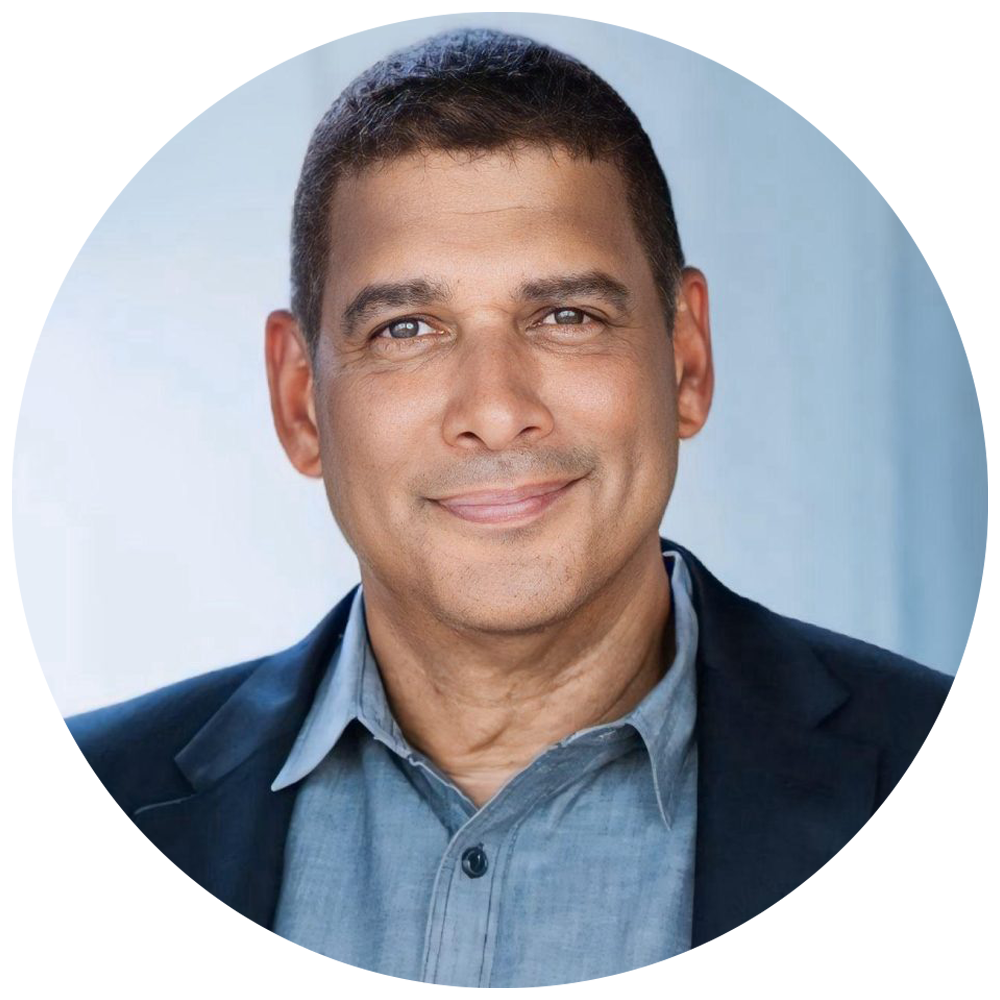
Executives call me asking the same first question: “What am I actually buying?” Fair question. Here’s the honest answer, ninety days at a time. —Jack Perry Jr
Nobody tells you what the first ninety days with a coach actually look like.
You sign, you block the time, and then you sit there in session one wondering whether this is going to be a conversation or a workout.
Here’s the honest version, laid out so you know what you’re buying before you pay.
What is Executive Coaching?
Executive coaching works on the part of the job nobody trained you for. Reading a room. Making the call when the data runs out. Saying the hard thing early instead of late.
It is not leadership training. Training is a class. This is one-on-one, built around your role, your people, and the problems on your desk right now.
Executives often engage executive coaches to:
- Enhance strategic thinking and decision-making skills
- Improve emotional intelligence and self-awareness
- Develop stronger leadership presence and confidence
- Address specific workplace challenges and opportunities
- Balance personal growth with professional objectives
Core Processes and Techniques of Executive Coaching
A professional executive coach follows structured yet flexible methodologies to drive meaningful results. These typically include:
Identifying Blind Spots and Clarifying Goals
Executive coaches work with executives to identify and address blind spots in leadership styles or strategic thinking. Clarifying clear goals ensures measurable outcomes and alignment with organizational objectives.
Assessing Strengths and Areas for Improvement
Using formal assessments and direct feedback loops, executive coaches highlight an executive’s core strengths and opportunities for growth. Tools like emotional intelligence tests or 360-degree feedback surveys are common in this stage.
Developing a Personalized Development Plan
Based on assessments, coaches collaborate with executives to craft personalized action plans, which might include building new leadership behaviors, improving communication, or enhancing decision-making capabilities.
Accountability and Progress Tracking
Regular check-ins, often monthly or bi-weekly, ensure executives remain accountable, track their progress effectively, and adjust their plans as necessary.
Confidentiality and Trust Building
Executive coaching emphasizes confidentiality to foster an open and safe environment, crucial for honest dialogue and transformative personal growth.
Key Coaching Models & Frameworks Used
Professional executive coaches leverage various proven coaching models to achieve client success. Notable frameworks include:
GROW Model
The GROW (Goal, Reality, Options, Way forward) model provides a structured approach to problem-solving and goal setting, helping executives navigate complex issues methodically.
Transformative Leadership
This framework emphasizes authentic leadership and purpose-driven action, encouraging executives to lead by example and inspire their teams authentically.
Whole Person Model™
Recognizing that effective leadership integrates personal fulfillment and professional success, the Whole Person Model™ balances emotional intelligence, physical wellness, and mental resilience, fostering holistic leadership growth.
CEO Peer Advisory Groups
Incorporating peer learning through CEO peer advisory groups enhances executive coaching outcomes, allowing C-suite leaders to share insights, challenges, and solutions with like-minded peers.
Top Benefits of Executive Coaching for Leaders

Here is what leaders actually report after ninety days. Notable benefits include:
- Improved Business Performance: Enhanced strategic thinking and effective leadership decisions drive organizational growth.
- Increased Emotional Intelligence: Coaching significantly boosts emotional intelligence, improving workplace relationships and team cohesion.
- Enhanced Leadership Capabilities: According to BetterUp, executives undergoing coaching experience up to 38% increases in inspirational leadership.
- Greater Resilience: Regular coaching sessions help build resilience (+56%), enabling leaders to better navigate stress and adversity.
- Boosted Team Performance: Executive coaching notably enhances overall team productivity and motivation, with improvements up to 77%.
What to Look for in a Coach
Selecting the right coach is crucial for maximizing the benefits of executive coaching. Key criteria include:
Certifications and Credibility
Prioritize coaches with recognized certifications such as ICF-certified ACC (Associate Certified Coach). Alumni of reputable institutions, like Sofia University or the Executive Coaching College, bring additional credibility.
Relevant Experience and Specialization
Look for coaches specializing in your industry or specific leadership challenges. For example, franchise leaders should seek coaches familiar with franchisors’ and franchisees’ unique business dynamics.
Compatibility and Communication Style
Executive coaching is deeply personal, making it essential to find a coach with whom executives resonate and communicate effectively. Initial discovery sessions help determine compatibility.
Proven Results
Evaluate coaches based on proven results, testimonials, and measurable outcomes from past engagements. Coaches aligned with proven programs like BetterUp Lead™ or the Scale Smart Method offer validated methodologies and consistent success rates.
Frequently Asked Questions (FAQs)
What exactly does executive coaching entail?
How can executive coaching help improve my leadership?
What qualifications should I look for in an executive coach?
Is executive coaching confidential?
How long does executive coaching typically last?
Key Takeaways
- Executive coaching significantly enhances leadership capabilities, strategic decision-making, and emotional intelligence.
- Structured methodologies like the GROW model, Whole Person Model™, and transformative leadership provide frameworks for measurable growth.
- Proven results include improved resilience, inspirational leadership, and team performance.
- Selecting a credible and compatible coach is essential to achieving transformative outcomes.
Conclusion
Ninety days is long enough to change how you run a room and short enough that you’ll still remember why you started. The work is not complicated. It is just uncomfortable in the places that matter, and most leaders never get a straight answer about that going in.
Want to know what your first ninety days would look like? Book a call and I’ll walk you through it.
Ready to talk it through?
Book a complimentary 30-minute strategy call with Jack. No pitch — just clarity on whether coaching is the right next step.